Ricardo Valerdi closes national book tour with Tommy Lloyd
Systems and industrial engineering department head distills lessons from successful decision-makers into his latest book, “The Five Tool Team.”

Distinguished Outreach Professor Ricardo Valerdi, head of the Department of Systems and Industrial Engineering, celebrates the release of “The Five Tool Team” with University of Arizona men’s basketball head coach Tommy Lloyd on Sept. 30.
Alexandra Pere
Ricardo Valerdi, head of the Department of Systems and Industrial Engineering, wrapped the "The Five Tool Team" book tour on Sept. 30 with University of Arizona men's basketball head coach Tommy Lloyd at Stacks Book Club – Broadway.
"I interviewed a ton of people, and through those interviews, it really clarified for me: Why is this person successful? Because they're a good decision-maker," Valerdi said. "Well, what's behind that? What do they do differently? What is their process? I started to distill that into these principles."
The book draws on sports, business, science and decision theory to show how great leaders make tough choices, even when information conflicts and outcomes are counterintuitive.
Lloyd and Super Bowl-winning coach John Harbaugh wrote the book's forewords. At the event, Lloyd called collective decisions the most powerful kind and praised the book's focus on building decision-making teams.
“What’s cool about the book is he really breaks down the components involved in making a decision,” he said.
Tools for leadership, team building
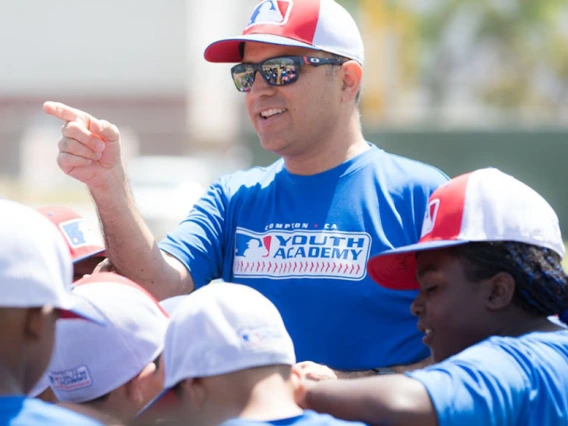
Valerdi has consulted for organizations such as SpaceX, Major League Baseball, and the U.S. Army. He also founded Science of Sport, a STEM education nonprofit that partners with MLB, NFL and NBA teams to teach science to elementary and middle school students through athletics.
He brought the same sports-science approach to "The Five-Tool Team."
Valerdi opens the book with a story about socks. Former UCLA basketball coach John Wooden taught his players to put on their socks correctly before they ever stepped onto the court. The story shows how decisions, good and bad, compound.
For a basketball player, putting on your socks incorrectly can lead to blisters and injuries. The same is true in other fields, Valerdi said.
He uses case studies like this one to lay out a five-part playbook for making better decisions in any situation: focus, look, analyze, scrutinize, and humanize.
Another case study predates the founding of the United States. During a visit to the University of Washington, Valerdi learned about the matriarchal Coast Salish tribes who encountered European settlers. The tribes weighed each decision by its consequences seven generations into the future.
“The decisions that you're making today – how are they going to play out 140 years from now?” he said.
The book ties these seemingly unrelated stories together to build readers' confidence in their own decisions.
“I strongly believe that decision-making is not a trait you are born with or without,” Valerdi writes in the opening chapter. “It is a skill you can master, much like writing, teaching, or shooting a basketball.”